


Endoscopic Spine Surgery
.png)
What is endoscopic spine surgery?
Endoscopic spine surgery is an ultra-minimally invasive surgical procedure that uses an endoscope – a thin, rigid tube with a light and camera on the end – to visualize and treat conditions of the spine.Endoscopic spine surgery represents the forefront of minimally invasive spine procedures, offering a significant leap forward from traditional spine surgery methods. This innovative technique allows Dr. Rao to have a detailed view of the spine and perform surgery with precision, all through a small incision.
Specialised Expertise
Unlike more invasive procedures, endoscopic spine surgery is characterised by its minimal approach, aiming to reduce tissue damage and facilitate a faster recovery for patients. It’s particularly effective for a range of spinal conditions, including herniated or bulging discs, spinal stenosis, bone spurs, sciatica, and other issues leading to nerve compression or pain.
Reduced tissue damage, Faster recovery
Unlike more invasive procedures, endoscopic spine surgery is characterised by its minimal approach, aiming to reduce tissue damage and facilitate a faster recovery for patients. It’s particularly effective for a range of spinal conditions, including herniated or bulging discs, spinal stenosis, bone spurs, sciatica, and other issues leading to nerve compression or pain.
The endoscopic advantage
Because the incision is significantly smaller (usually less than 1 cm), endoscopic spine surgery with Dr. Rao presents multiple benefits.

reduced muscle damage
Traditional spine surgeries often require muscle stripping, but endoscopic techniques minimise this risk.

quicker recovery time
Patients typically experience a faster return to daily activities.

shorter hospital stay
Most patients are discharged the same day or the next day.

less risk of complications
Endoscopic surgery's minimally invasive nature reduces the chances of infections and other surgery-related complications.
HOW THE PROCEDURE IS PERFORMED
The process begins with either general or local anesthesia, depending on the individual case. Dr. Rao then makes a small incision through which he inserts the endoscope and special instruments. Through the endoscope, he can directly address and treat problematic spinal conditions with precision and care.
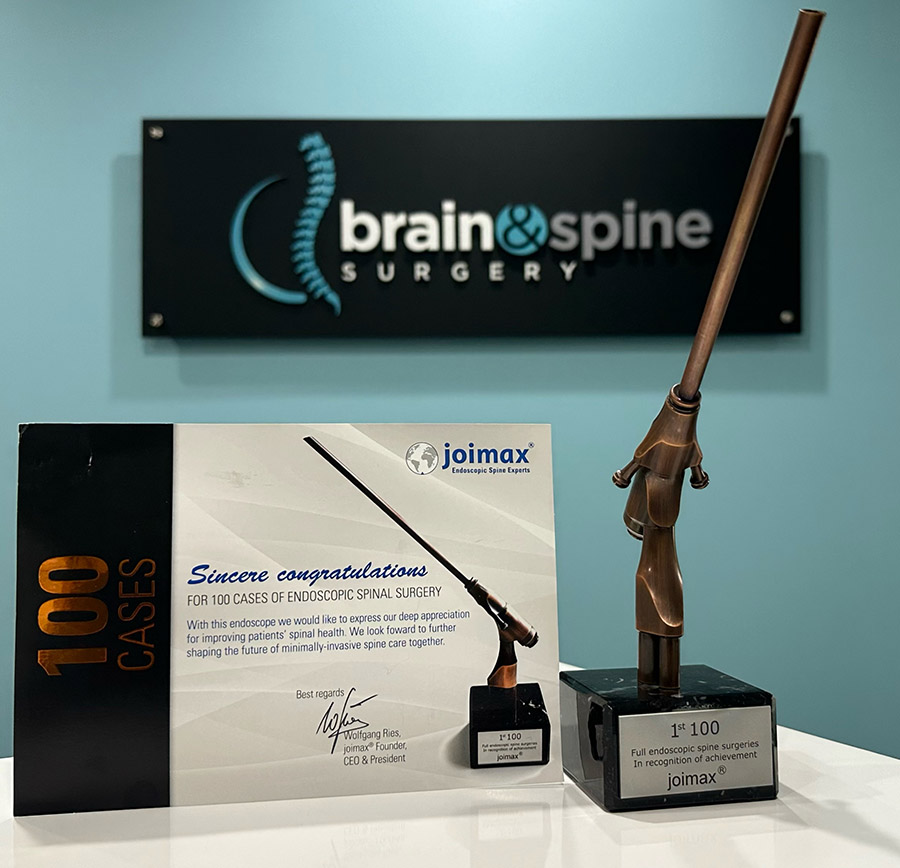
Why Choose Dr. Rao?
Under Dr. Rao’s expert care, patients undergoing minimally invasive spine fusion can expect compassionate, patient-centred care tailored to their unique needs. With a commitment to excellence in minimally invasive techniques, Dr. Rao ensures each patient benefits from a procedure aimed at improving quality of life with minimal discomfort and downtime.

conditions
Candidates for endoscopic spine surgery are those who no longer respond to conservative treatment methods or have not had success. However, each patient is unique, and Dr. Rao will carefully evaluate your condition to recommend the best treatment approach. Some of the most typical spinal conditions that respond well to endoscopic spine surgery include:
.jpg)
HERNIATED DISCS
A herniated disc occurs when the soft centre of a spinal disc pushes through a crack in the tougher exterior casing. The irritation or compression of nearby nerves can lead to pain, numbness, or weakness in an arm or leg.
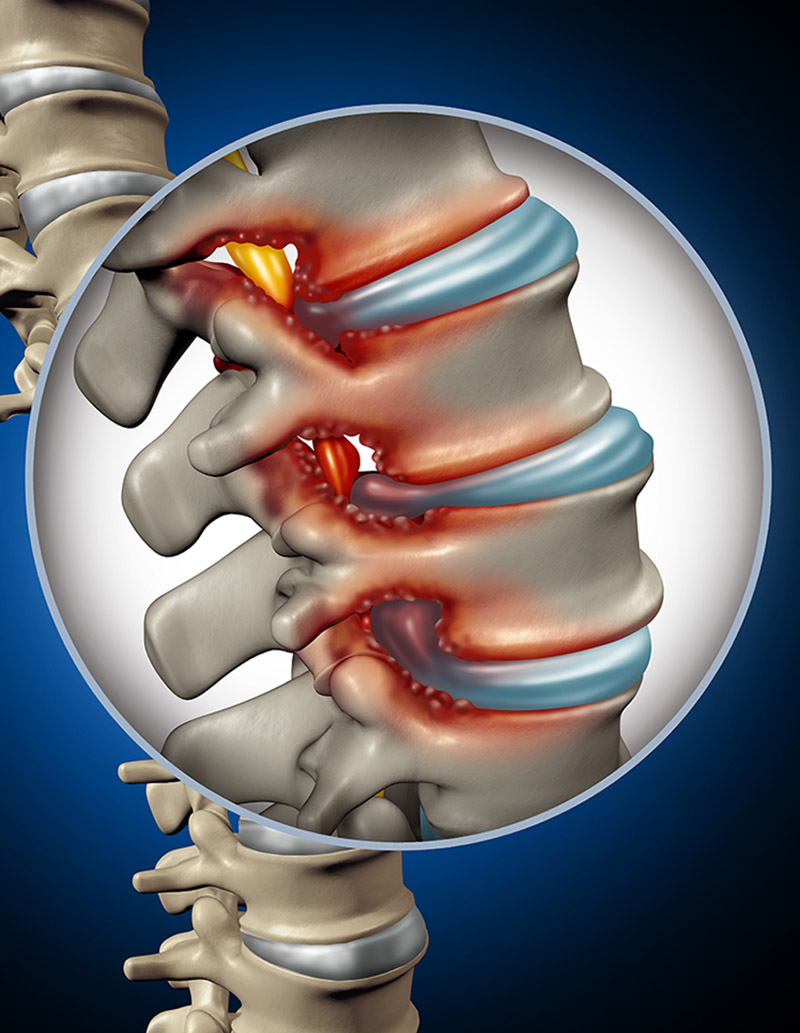
SPINAL STENOSIS
Spinal stenosis is characterised by the narrowing of spaces within your spine, which can put pressure on the nerves that travel through the spine. Spinal stenosis occurs most often in the lower back and the neck.
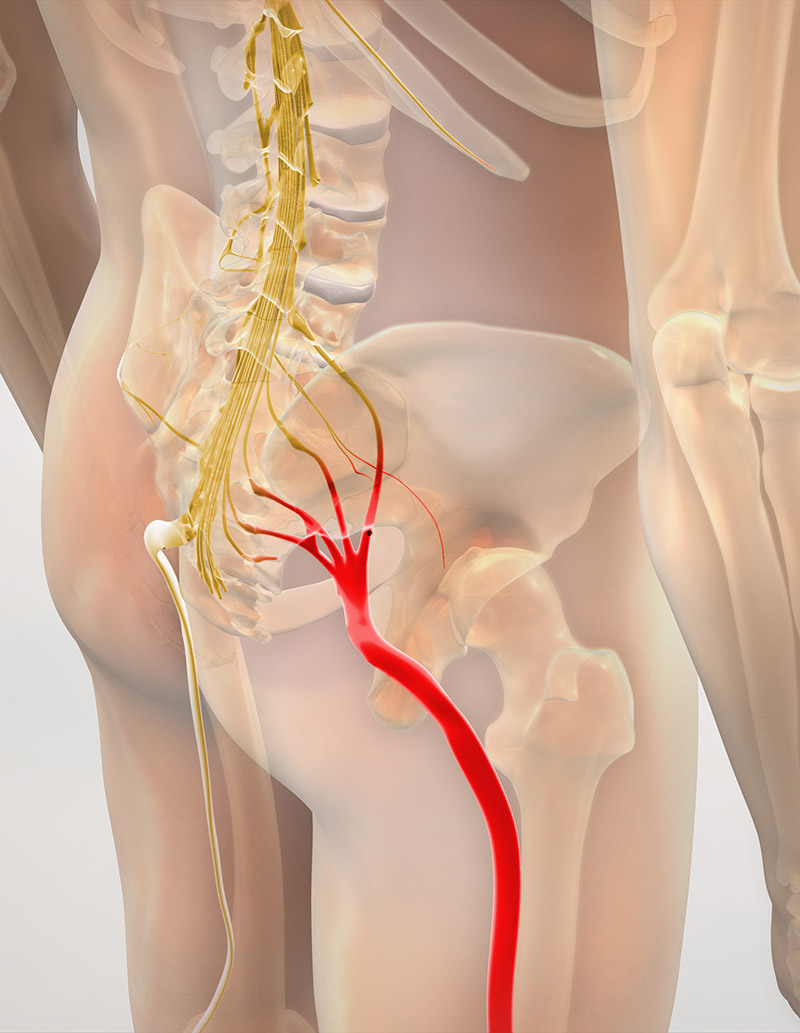
SCIATICA
Sciatica refers to pain that radiates along the path of the sciatic nerve, which is formed from the nerve roots in your lower back. The pain radiates through your hips and buttocks and down each leg. Sciatica typically affects only one side of your body and is usually caused by a herniated disc.
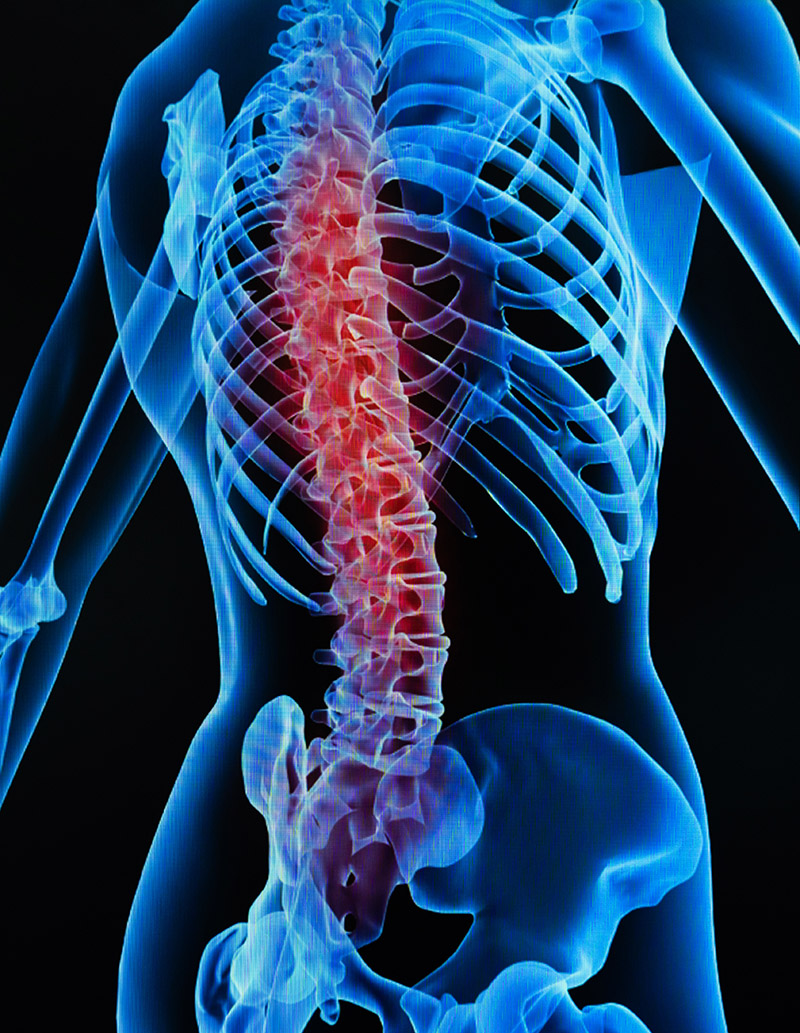
bone spurs
Bone spurs (also called osteophytes) are smooth, hard bumps of extra bone that form on the ends of bones, often because of osteoarthritis or degenerative joint disease. The spurs themselves are not painful but their effect on nearby structures, such as nerves and the spinal cord, can cause pain.
RECOVERY & POSTOPERATIVE CARE
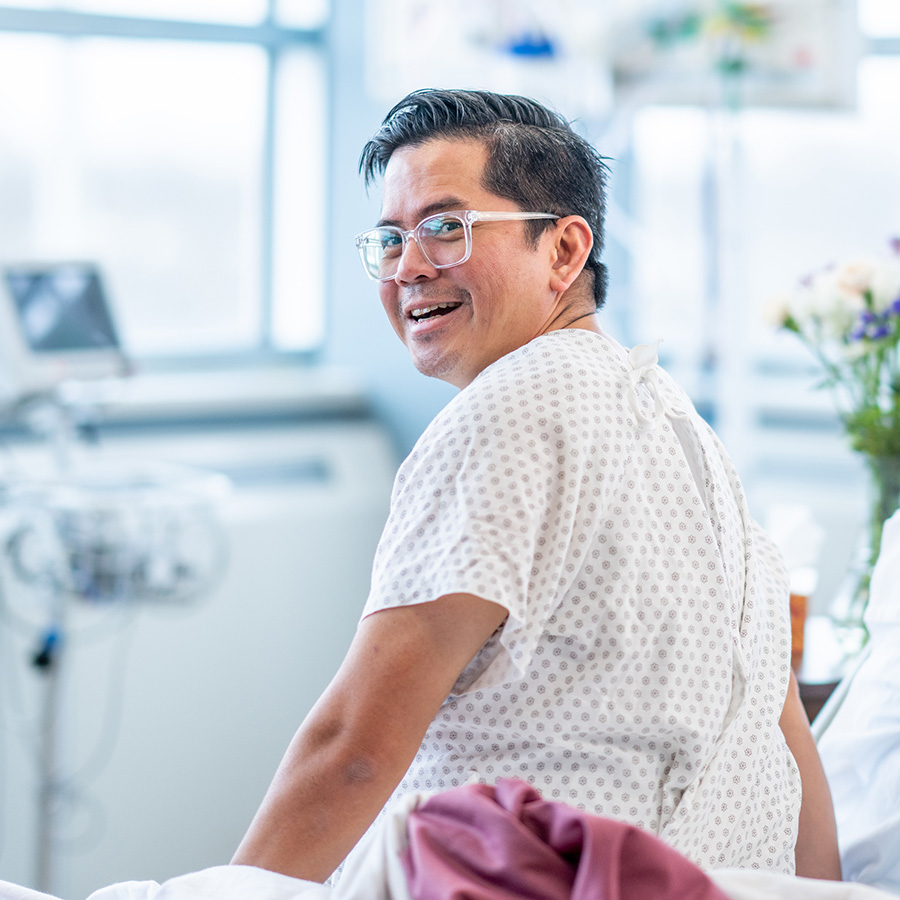
Recovery from endoscopic spine surgery is generally quicker compared to traditional methods, with less postoperative discomfort. Most patients find themselves able to return home within a day, experiencing less pain and requiring fewer pain medications. Postoperative care will include regular follow-ups with Dr. Rao, and he may also recommend a tailored physical therapy plan to aid in the healing process.
Following surgery, it’s vital to adhere to Dr. Rao’s post-operative instructions closely, including monitoring the incision site for signs of infection and gradually resuming physical activities as advised. Dr. Rao and his team are here to guide you throughout your journey and get you back to your normal routine as quickly and safely as possible.
Why Choose Dr. Rao?
Dr. Rao’s commitment to his patients goes beyond the surgery itself. He believes in a holistic approach to patient care, considering all aspects of an individual’s well-being. If you’re exploring options for addressing spinal conditions with minimal downtime and discomfort, endoscopic spine surgery with Dr. Rao might be the right choice for you. To learn more about how this minimally invasive procedure can help you or to schedule a consultation, please contact our office. Together, we’ll take the first step towards your recovery and a healthier, pain-free life.